Huggie Type: A Warm, Fuzzy Font for Creative Brands
There I was, staring at a blank brand board, trying to figure out how to bring a sense of approachability and comfort to a new skincare line. The client wanted something that felt personal, like a friend recommending a product. That’s when I pulled up Huggie Type. It wasn’t the first font I tried, but it immediately stood out with its soft, rounded edges and thick strokes that gave off a cozy vibe. It felt like a hug on a screen, which is exactly what the brand needed.
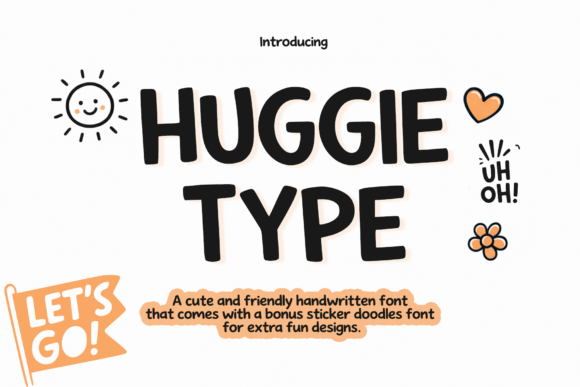
As a designer, I’ve worked with countless fonts, from bold sans serifs to elegant scripts. Huggie Type isn’t just another handwritten font—it has a distinct personality. Its thick, soft strokes and rounded terminals give it a friendly, almost playful feel. It’s not too quirky, but it’s definitely not formal. This makes it perfect for brands that want to communicate warmth without sacrificing style.
Visual Characteristics and Personality
Looking at Huggie Type up close, you notice how each letter flows smoothly. The curves are gentle, and the weight feels consistent across the entire typeface. It doesn’t have the sharpness of a typical sans serif, nor the fluidity of a script. Instead, it sits somewhere in between, offering a balance of readability and character. This makes it ideal for logos, headlines, and other display uses where visual appeal matters.
The font’s personality is warm and inviting. It doesn’t scream for attention, but it doesn’t blend into the background either. It’s the kind of font that can make a brand feel more human, which is crucial for businesses targeting a younger or more casual audience. Think of it as the digital equivalent of a handwritten note—personal, thoughtful, and easy to read.
Real-World Branding Applications
I tested Huggie Type in several branding scenarios, starting with a logo concept for a small boutique. When placed on a mockup, it looked clean and modern, yet had enough character to stand out. On a business card, it added a touch of personality without overwhelming the design. For a packaging label, it worked well as a headline, pairing nicely with a simpler sans serif for body text.
In web design, Huggie Type made a strong impression on a homepage hero section. It caught the eye without being distracting, and it paired well with a minimalist layout. On social media graphics, it added a friendly tone that aligned with the brand’s voice. Even on a printed flyer, it held up well, maintaining clarity and charm.
Strengths and Limitations
One of Huggie Type’s greatest strengths is its versatility. It works well as a display font, especially for short phrases or headlines. It can also be used as a logo font, provided the design isn’t too complex. However, it’s not the best choice for long paragraphs of text. At smaller sizes, some of the details can get lost, making it less readable. This means it’s better suited for headlines, titles, and short bursts of text rather than body copy.
It also doesn’t work as well in formal or corporate settings. If you’re designing for a law firm, financial institution, or high-end fashion brand, Huggie Type might feel too casual. But for a café, a handmade shop, or a creative studio, it’s a perfect fit. It adds a layer of warmth that can make a brand more relatable and memorable.
Font Pairing and Design Considerations
When pairing Huggie Type with other fonts, it’s best to go for something simple and clean. A serif font like Playfair Display or a sans serif like Montserrat can provide contrast while keeping the overall look cohesive. A script font could work if you want to add more personality, but it’s important to avoid overcomplicating the design.
For commercial use, it’s essential to check the licensing terms. Huggie Type is likely available in multiple file formats, including OTF and WOFF, and may come with webfont options. Make sure to review the license before using it in client projects, especially if you’re planning to sell templates, merchandise, or print-on-demand products.
Before finalizing any design, I always recommend testing Huggie Type in different contexts. Try it on a shop sign, a product mockup, or a social media post. See how it looks in both light and dark mode, and test it at various sizes. This will help you understand its strengths and limitations in real-world applications.
When to Use Huggie Type
If your project requires a friendly, approachable tone, Huggie Type is a great choice. It excels in branding for lifestyle products, wellness services, and creative businesses. It’s also ideal for anything that needs a personal touch, like invitations, greeting cards, or promotional materials.
However, if your design needs to convey professionalism, authority, or formality, you might want to look elsewhere. Huggie Type isn’t the right fit for a corporate website or a legal document. But for most creative projects, it’s a reliable and expressive option that adds character without being overwhelming.
Overall, Huggie Type is a premium font that brings a warm, fuzzy feeling to any design. It’s not just a typeface—it’s a way to connect with your audience on a more personal level. Whether you’re working on a logo, a packaging design, or a social media campaign, it’s worth considering for its unique blend of charm and readability.